

Construction Safety Training in Dubai, UAE: Essential Skills for a Safer Workplace
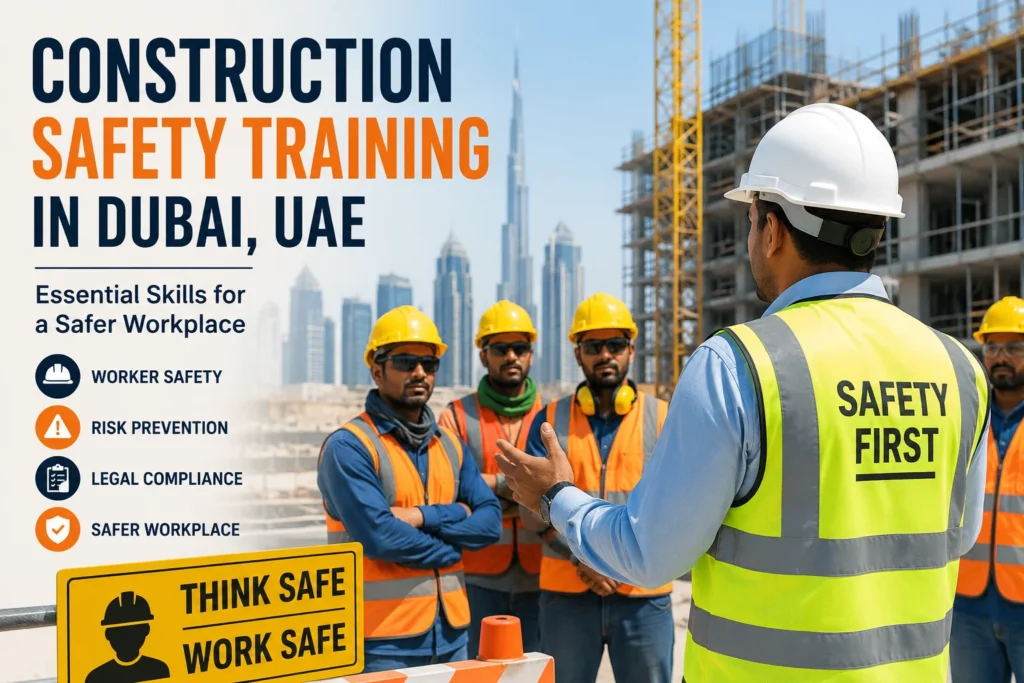
Construction Safety Training in Dubai, UAE
Construction sites are among the most hazardous workplaces in the world. Every day, construction workers face risks such as falls from height, electrical hazards, moving machinery, falling objects, and exposure to hazardous materials.
The main purpose of Construction Safety Training in Dubai UAE is to help workers identify workplace hazards, follow safe work practices, prevent accidents, and comply with UAE safety regulations. Proper training not only protects workers but also improves productivity, reduces project delays, and creates a stronger safety culture.
Whether you are a new construction worker, supervisor, site engineer, or contractor, safety training is essential for everyone working on a construction site.
Why Construction Safety Training is Important
Construction projects in Dubai continue to grow rapidly, creating thousands of jobs across residential, commercial, industrial, and infrastructure sectors. With this growth comes increased responsibility for workplace safety.
Construction safety training helps workers:
● Understand workplace hazards
● Prevent injuries and fatalities
● Follow safe operating procedures
● Use Personal Protective Equipment (PPE) correctly
● Improve emergency response skills
● Meet UAE safety requirements
● Reduce downtime caused by accidents
● Protect co-workers and the public
A well-trained workforce creates safer and more efficient construction sites.
Common Construction Site Hazards
Workers should be aware of the most common hazards found on construction sites.
Working at Height
Falls remain one of the leading causes of serious injuries and fatalities.
Examples include:
● Working on scaffolding
● Roof work
● Ladder work
● Elevated platforms
● Structural steel erection
Safety measures include:
● Using full-body harnesses
● Installing guardrails
● Conducting equipment inspections
● Following permit-to-work procedures
Falling Objects
Tools, materials, and equipment can fall from elevated areas and cause severe injuries.
Prevention methods:
● Wearing safety helmets
● Using tool lanyards
● Installing toe boards
● Securing materials properly
Electrical Hazards
Construction workers frequently work around temporary electrical systems.
Potential risks:
● Electric shocks
● Burns
● Arc flashes
● Equipment damage
Safe practices include:
● Lockout and tagout procedures
● Regular inspections
● Proper cable management
● Using approved electrical equipment
Heavy Equipment and Machinery
Construction sites use various types of machinery, including:
● Excavators
● Cranes
● Forklifts
● MEWPs
● Loaders
● Bulldozers
Training helps operators and workers understand:
● Safe operating procedures
● Blind spot awareness
● Traffic management systems
● Equipment inspection requirements
Excavation and Trenching Hazards
Excavations can collapse without warning.
Key risks include:
● Cave-ins
● Falling materials
● Underground utilities
● Oxygen-deficient atmospheres
Workers must receive proper construction safety training before entering trenches or excavations.
Benefits of Construction Safety Training
Reduced Workplace Accidents
Trained workers can identify hazards before incidents occur.
Benefits include:
● Fewer injuries
● Lower accident rates
● Safer job sites
Increased Productivity
Safe workers perform tasks more efficiently.
Advantages include:
● Less downtime
● Improved project schedules
● Better team coordination
Regulatory Compliance
Dubai construction projects must follow strict safety requirements.
Training helps organizations:
● Meet legal obligations
● Pass safety audits
● Maintain compliance standards
Improved Worker Confidence
Employees who understand safety procedures feel more confident performing their duties.
This leads to:
● Better decision-making
● Increased awareness
● Improved morale
Who Should Attend Construction Safety Training?
Construction Safety Training is suitable for:
● Construction workers
● General laborers
● Site supervisors
● Foremen
● Engineers
● Contractors
● Safety officers
● Scaffolders
● Equipment operators
● Maintenance personnel
Everyone on a construction site has a role in maintaining workplace safety.
Key Safety Practices Every Construction Worker Should Follow
Workers should always:
● Wear required PPE
● Attend toolbox talks
● Follow site safety rules
● Report hazards immediately
● Use equipment correctly
● Maintain good housekeeping
● Follow permit-to-work procedures
● Never bypass safety controls
● Participate in regular safety training
● Report near misses and incidents
Safety is a shared responsibility.
The Role of Employers in Construction Safety
Employers play a critical role in maintaining safe construction sites.
Responsibilities include:
● Providing adequate safety training
● Conducting risk assessments
● Supplying PPE
● Maintaining equipment
● Monitoring compliance
● Investigating incidents
● Promoting a positive safety culture
A strong commitment from management helps create safer workplaces for everyone.
Why Construction Safety Matters in Dubai UAE
Dubai’s construction industry is known for delivering some of the world’s most ambitious projects. Maintaining high safety standards is essential to protect workers and ensure successful project completion.
Construction Safety Training supports:
● Worker well-being
● Regulatory compliance
● Operational excellence
● Project success
● Long-term workforce development
Organizations that invest in Construction Safety Training often experience lower accident rates, improved productivity, and stronger workplace performance.
Conclusion
Construction Safety Training in Dubai,UAE is one of the most important investments for workers and employers. It provides the knowledge and practical skills needed to identify hazards, prevent accidents, and maintain safe working environments.
By understanding workplace risks, following safe work practices, and participating in regular safety training programs, construction workers can protect themselves, their colleagues, and the success of every project.
A safer construction site starts with proper training, awareness, and a commitment to safety every day.