Home / Chemical Safety And Handling Training
Chemical Safety and Handling Training
Chemical Safety and Handling Training UAE | GHS Labels, SDS, Spill Response
The safety data sheet exists in the folder. The pictogram is on the drum. Neither one protects anyone if the person handling the chemical that day has never actually been taught to read either. Chemical incidents in UAE workplaces are rarely about exotic substances — they’re overwhelmingly about ordinary cleaning agents, solvents and industrial chemicals stored, mixed or handled by someone who was never shown what the label was actually telling them.
Nathan Safety Training (NIMS) trains staff who handle, store or respond to chemical hazards across the UAE, built around GHS labelling, safety data sheet interpretation, and spill response that goes beyond ‘call the supervisor.’
The Framework Behind Chemical Handling in the UAE
Chemical safety in UAE workplaces draws on several overlapping authorities depending on the substance and setting: the Ministry of Health and Prevention (MOHAP) where health exposure is the primary concern, the Ministry of Climate Change and Environment for hazardous materials and environmental release, and emirate-level environmental regulations — in Dubai, requirements trace back to Dubai Local Order No. 61 of 1991 on Environmental Protection and the technical guidelines issued under it. Labelling and classification across all of these follows the Globally Harmonized System (GHS), which is what puts a consistent pictogram on a drum whether it was manufactured in the UAE or imported.
The practical compliance gap we see most often isn’t a missing safety data sheet — it’s an SDS that exists in a binder nobody on the shop floor has read, for a chemical whose label nobody has been taught to interpret.
Municipal environment departments across the UAE increasingly cross-reference a facility’s chemical storage licence against its actual SDS library during inspection, not only its trade licence category. Chemicals found on site that aren’t reflected in the facility’s registered activity are a growing source of non-compliance findings, independent of how safely those chemicals are actually being handled day to day.
The Risk That Builds Quietly
Chemical incidents rarely announce themselves the way a fall or a struck-by injury does. Exposure effects can be cumulative, storage incompatibilities can sit undetected for months, and a mislabelled container can pass a dozen casual inspections before it actually causes harm — which is exactly why untrained handling is more dangerous than it feels day to day.
The business exposure compounds the same way. An environmental release or a health exposure claim tends to surface long after the handling decision that caused it, by which point the paper trail — or the lack of one — determines how liability gets apportioned.
Who Needs This Training
Chemical handling risk shows up in more workplaces than most HSE plans account for.
- Manufacturing and industrial processing — solvents, resins, process chemicals
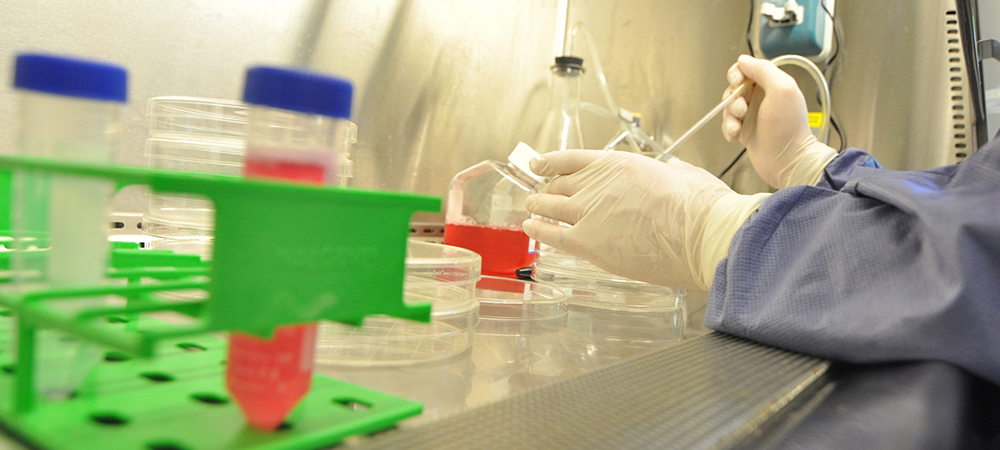
- Testing and analytical laboratories — reagents, calibration standards, sample preparation chemicals
- Facilities management and cleaning contractors — concentrated cleaning and disinfection agents
- Hospitality and F&B — kitchen chemicals, pool chemicals, pest control agents
- Oil & gas and petrochemical — process chemicals, corrosion inhibitors, drilling fluids
- Construction — adhesives, sealants, curing compounds, paints and coatings
Different Industries, Different Chemicals, by Emirate
The chemicals in play shift by emirate’s dominant industry, so we tailor the working examples accordingly. We deliver onsite across all seven:
- Dubai — Dubai Investment Park and JAFZA host a wide base of chemical distributors and formulators, giving Dubai the broadest mix of hazard classes we train against in one emirate
- Abu Dhabi — ICAD’s petrochemical-adjacent manufacturing base means Abu Dhabi sessions lean toward process chemicals and corrosion inhibitors more than general cleaning agents
- Sharjah — the Industrial Areas’ concentration of paints, coatings and plastics manufacturers makes flammable and corrosive hazard classes the dominant focus here
- Ajman — the Free Zone’s furniture and wood manufacturing sector handles adhesives, lacquers and solvent-based finishing chemicals that are easy to under-classify as “just paint”
- Ras Al Khaimah — RAK Ceramics’ glazing chemicals and cement additive handling around Al Hamra bring a genuinely different hazard profile from a standard warehouse chemical store
- Fujairah — FOIZ’s bunker fuel additives and terminal chemicals require spill response training scaled to a much larger potential release than a typical facility
- Umm Al Quwain — UAQ Free Trade Zone’s food processing operations bring sanitation and disinfection chemical handling to the forefront rather than industrial process chemicals
GHS Hazard Categories Covered
Hazard Class | Example | Primary Control |
Flammable | Solvents, thinners, fuels | Segregated storage, ignition source control |
Corrosive | Acids, caustic cleaning agents | PPE, eyewash/emergency shower access |
Toxic / Health Hazard | Certain solvents, pesticides | Ventilation, exposure monitoring, PPE |
Oxidising | Certain pool and bleaching agents | Segregation from flammables and organics |
Environmental Hazard | Substances harmful to aquatic life | Spill containment, controlled disposal |
The Chemicals Are Rarely the Surprise
The chemicals themselves are rarely the surprise. The gaps are procedural.
- Incompatible chemicals stored on the same shelf because nobody checked segregation requirements
- Safety data sheets on file but years out of date, missing reformulated product information
- Staff who can point to a pictogram but can’t explain what it means or what to do differently because of it
- Spill kits present and inventoried, but empty or expired absorbent material when actually needed
- Decanted chemicals in unlabelled secondary containers, losing all hazard information at the point of use
Training Built Around Your Actual Inventory
We built this course around your actual SDS library rather than a generic hazard-class slideshow, because the chemicals that hurt people are the ones staff handle every day, not the exotic ones.
Clients formalising environmental compliance more broadly can draw on Nathan ISO Consulting’s ISO 14001 support alongside this course, since chemical handling training and environmental management system work sit inside the same group.
- Training built around the actual chemical inventory on your site, not a generic hazard class overview
- Hands-on spill response practice, not just a checklist walk-through
- PPE selection guidance matched to your specific chemicals, not blanket recommendations
- Instructors with laboratory and industrial chemical handling backgrounds
- Support reviewing your SDS library for gaps and expired entries as part of course delivery
Courses Offered
- First Aid Course - CPR and AED
- Confined Space
- Fire Safety Awareness
- Scaffolding Inspection
- Scaffolding Erection & Dismantling
- Flagman Safety
- Chemical Safety and Handling Training
- Hazard and Risk Assessment
- Rigging and Slinging Training
- Traffic Safety
- Hand and Power Tools Operator
- Electrical Safety
- Lock Out and Tag Out (LOTO)
- Accident Incident Investigation
- Lifeguard Training
- Advanced Risk Assessment & Compliance Service
- Behavior-Based Safety Workplace Safety Consulting
- Construction Site Safety Induction Training
- Emergency Response Team Training
- Excavator Operator Training
- Forklift Operator Training
- H2S Awareness & Breathing Apparatus Training
- Hot Work Safety Training
- Incident Reporting & Root Cause Analysis Service
- MEWP Operator Training
- Mobile Crane Operator Training
- Permit to Work System Training
- Rope Access Training
- Working at Height & Fall Protection Safety Training
- Oil & Gas Safety Training
- Fire Warden Training
- Manual Handling Training
- Banksman Safety Training
- Gas Tester Training
- Defensive Driving Training
- HAZMAT Awareness Training
- Machine Safety and Machine Guarding Training
- Spill Response and Spill Control Training
- Welding Safety Training
Need expert advice? Speak to our team today
FAQ
Is chemical safety training a legal requirement in the UAE?
Employers are required to control chemical exposure risk under UAE occupational health and safety obligations, which in practice means staff handling hazardous chemicals need to understand safety data sheets, labelling and PPE requirements — not just have access to the paperwork.
What is GHS and why does it matter?
The Globally Harmonized System standardises chemical hazard pictograms, labelling and safety data sheet format worldwide, including in the UAE. It means a hazard symbol means the same thing regardless of where the chemical was manufactured — but only if the person reading it has actually been trained on what each symbol requires.
Do you train on reading safety data sheets, or just handling procedures?
Both. A safety data sheet is only useful if someone can extract the relevant sections quickly — hazard identification, handling and storage, exposure controls, first aid measures — under real conditions, not just file it after receipt.
What does the spill response module cover?
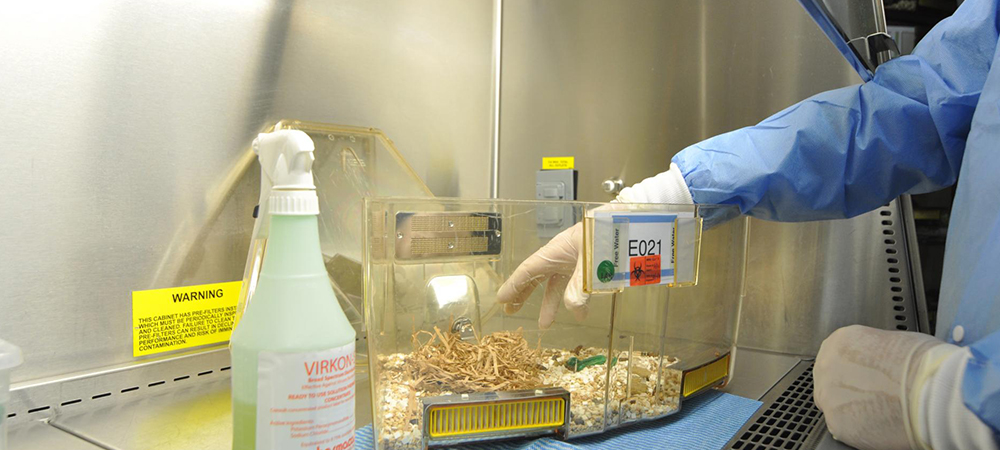
Hands-on practice with spill kits appropriate to your chemical inventory, containment technique, safe disposal, and the decision point for when a spill is beyond what site staff should handle and needs to escalate to emergency services.
Is this course relevant to testing laboratories?
Yes — laboratories handling reagents and calibration standards face the same GHS labelling and SDS requirements as industrial sites, often with a wider variety of smaller-volume chemicals that makes segregation knowledge even more important.
How do you decide which PPE to recommend?
PPE selection is matched to the specific chemicals and exposure routes present at your site rather than issued as a blanket recommendation — the right glove material for one solvent can be the wrong one for another.
Does this cover chemical storage and segregation requirements?
Yes, including which hazard classes cannot be stored together, ventilation requirements for storage areas, and the documentation trail environmental authorities expect to see for hazardous material storage.
How often should chemical handling training be refreshed?
We recommend every two years, or sooner if your chemical inventory changes significantly — a new product with a different hazard profile can quietly invalidate training staff received on the old formulation.
Do you cover environmental release and disposal requirements?
Yes, including how emirate-level environmental regulations govern disposal of hazardous chemical waste, since incorrect disposal is treated as an environmental violation distinct from workplace safety non-compliance.
Is this suitable for hospitality and F&B staff handling pool and kitchen chemicals?
Yes — concentrated cleaning, disinfection and pool chemicals are a common and underestimated chemical hazard in hospitality settings, and staff handling them daily benefit from the same GHS and PPE training as an industrial chemical handler.
Do environmental disposal rules differ between emirates?
The GHS classification is national, but disposal and environmental release reporting run through each emirate’s own environmental authority — Dubai Municipality’s Environment Department, Abu Dhabi’s Environment Agency, and the equivalent bodies in Sharjah, Ajman, RAK, Fujairah and Umm Al Quwain. We flag which one applies to your site.
How long does chemical safety training take?
Our core course runs one day, covering GHS labelling, SDS interpretation, storage segregation and spill response, extended to a day and a half where a site’s chemical inventory is particularly broad.
Can you review our existing SDS library as part of the course?
Yes — reviewing your current SDS files for gaps, expired entries and reformulated products is something we build into onsite delivery whenever the inventory is available in advance.
Is this the same as a COSHH course?
COSHH (Control of Substances Hazardous to Health) is UK terminology, but the underlying discipline — assessing chemical hazards and controlling exposure — is the same one this course covers, built around GHS classification and UAE storage and handling requirements rather than the UK regulation specifically.
- First Aid Course - CPR and AED
- Confined Space
- Fire Safety Awareness
- Scaffolding Inspection
- Scaffolding Erection & Dismantling
- Flagman Safety
- Chemical Safety and Handling Training
- Hazard and Risk Assessment
- Rigging and Slinging Training
- Traffic Safety
- Hand and Power Tools Operator
- Electrical Safety
- Lock Out and Tag Out (LOTO)
- Accident Incident Investigation
- Lifeguard Training
- Advanced Risk Assessment & Compliance Service
- Behavior-Based Safety Workplace Safety Consulting
- Construction Site Safety Induction Training
- Emergency Response Team Training
- Excavator Operator Training
- Forklift Operator Training
- H2S Awareness & Breathing Apparatus Training
- Hot Work Safety Training
- Incident Reporting & Root Cause Analysis Service
- MEWP Operator Training
- Mobile Crane Operator Training
- Permit to Work System Training
- Rope Access Training
- Working at Height & Fall Protection Safety Training

Chemical Safety and Handling Training UAE | GHS Labels, SDS, Spill Response
The safety data sheet exists in the folder. The pictogram is on the drum. Neither one protects anyone if the person handling the chemical that day has never actually been taught to read either. Chemical incidents in UAE workplaces are rarely about exotic substances — they’re overwhelmingly about ordinary cleaning agents, solvents and industrial chemicals stored, mixed or handled by someone who was never shown what the label was actually telling them.
Nathan Safety Training (NIMS) trains staff who handle, store or respond to chemical hazards across the UAE, built around GHS labelling, safety data sheet interpretation, and spill response that goes beyond ‘call the supervisor.’
The Framework Behind Chemical Handling in the UAE
Chemical safety in UAE workplaces draws on several overlapping authorities depending on the substance and setting: the Ministry of Health and Prevention (MOHAP) where health exposure is the primary concern, the Ministry of Climate Change and Environment for hazardous materials and environmental release, and emirate-level environmental regulations — in Dubai, requirements trace back to Dubai Local Order No. 61 of 1991 on Environmental Protection and the technical guidelines issued under it. Labelling and classification across all of these follows the Globally Harmonized System (GHS), which is what puts a consistent pictogram on a drum whether it was manufactured in the UAE or imported.
The practical compliance gap we see most often isn’t a missing safety data sheet — it’s an SDS that exists in a binder nobody on the shop floor has read, for a chemical whose label nobody has been taught to interpret.
Municipal environment departments across the UAE increasingly cross-reference a facility’s chemical storage licence against its actual SDS library during inspection, not only its trade licence category. Chemicals found on site that aren’t reflected in the facility’s registered activity are a growing source of non-compliance findings, independent of how safely those chemicals are actually being handled day to day.
The Risk That Builds Quietly
Chemical incidents rarely announce themselves the way a fall or a struck-by injury does. Exposure effects can be cumulative, storage incompatibilities can sit undetected for months, and a mislabelled container can pass a dozen casual inspections before it actually causes harm — which is exactly why untrained handling is more dangerous than it feels day to day.
The business exposure compounds the same way. An environmental release or a health exposure claim tends to surface long after the handling decision that caused it, by which point the paper trail — or the lack of one — determines how liability gets apportioned.
Who Needs This Training
Chemical handling risk shows up in more workplaces than most HSE plans account for.
- Manufacturing and industrial processing — solvents, resins, process chemicals
- Testing and analytical laboratories — reagents, calibration standards, sample preparation chemicals
- Facilities management and cleaning contractors — concentrated cleaning and disinfection agents
- Hospitality and F&B — kitchen chemicals, pool chemicals, pest control agents
- Oil & gas and petrochemical — process chemicals, corrosion inhibitors, drilling fluids
- Construction — adhesives, sealants, curing compounds, paints and coatings
Different Industries, Different Chemicals, by Emirate
The chemicals in play shift by emirate’s dominant industry, so we tailor the working examples accordingly. We deliver onsite across all seven:
- Dubai — Dubai Investment Park and JAFZA host a wide base of chemical distributors and formulators, giving Dubai the broadest mix of hazard classes we train against in one emirate
- Abu Dhabi — ICAD’s petrochemical-adjacent manufacturing base means Abu Dhabi sessions lean toward process chemicals and corrosion inhibitors more than general cleaning agents
- Sharjah — the Industrial Areas’ concentration of paints, coatings and plastics manufacturers makes flammable and corrosive hazard classes the dominant focus here
- Ajman — the Free Zone’s furniture and wood manufacturing sector handles adhesives, lacquers and solvent-based finishing chemicals that are easy to under-classify as “just paint”
- Ras Al Khaimah — RAK Ceramics’ glazing chemicals and cement additive handling around Al Hamra bring a genuinely different hazard profile from a standard warehouse chemical store
- Fujairah — FOIZ’s bunker fuel additives and terminal chemicals require spill response training scaled to a much larger potential release than a typical facility
- Umm Al Quwain — UAQ Free Trade Zone’s food processing operations bring sanitation and disinfection chemical handling to the forefront rather than industrial process chemicals
GHS Hazard Categories Covered
Hazard Class | Example | Primary Control |
Flammable | Solvents, thinners, fuels | Segregated storage, ignition source control |
Corrosive | Acids, caustic cleaning agents | PPE, eyewash/emergency shower access |
Toxic / Health Hazard | Certain solvents, pesticides | Ventilation, exposure monitoring, PPE |
Oxidising | Certain pool and bleaching agents | Segregation from flammables and organics |
Environmental Hazard | Substances harmful to aquatic life | Spill containment, controlled disposal |
The Chemicals Are Rarely the Surprise
The chemicals themselves are rarely the surprise. The gaps are procedural.
- Incompatible chemicals stored on the same shelf because nobody checked segregation requirements
- Safety data sheets on file but years out of date, missing reformulated product information
- Staff who can point to a pictogram but can’t explain what it means or what to do differently because of it
- Spill kits present and inventoried, but empty or expired absorbent material when actually needed
- Decanted chemicals in unlabelled secondary containers, losing all hazard information at the point of use
Training Built Around Your Actual Inventory
We built this course around your actual SDS library rather than a generic hazard-class slideshow, because the chemicals that hurt people are the ones staff handle every day, not the exotic ones.
Clients formalising environmental compliance more broadly can draw on Nathan ISO Consulting’s ISO 14001 support alongside this course, since chemical handling training and environmental management system work sit inside the same group.
- Training built around the actual chemical inventory on your site, not a generic hazard class overview
- Hands-on spill response practice, not just a checklist walk-through
- PPE selection guidance matched to your specific chemicals, not blanket recommendations
- Instructors with laboratory and industrial chemical handling backgrounds
- Support reviewing your SDS library for gaps and expired entries as part of course delivery
FAQ
Is chemical safety training a legal requirement in the UAE?
Employers are required to control chemical exposure risk under UAE occupational health and safety obligations, which in practice means staff handling hazardous chemicals need to understand safety data sheets, labelling and PPE requirements — not just have access to the paperwork.
What is GHS and why does it matter?
The Globally Harmonized System standardises chemical hazard pictograms, labelling and safety data sheet format worldwide, including in the UAE. It means a hazard symbol means the same thing regardless of where the chemical was manufactured — but only if the person reading it has actually been trained on what each symbol requires.
Do you train on reading safety data sheets, or just handling procedures?
Both. A safety data sheet is only useful if someone can extract the relevant sections quickly — hazard identification, handling and storage, exposure controls, first aid measures — under real conditions, not just file it after receipt.
What does the spill response module cover?
Hands-on practice with spill kits appropriate to your chemical inventory, containment technique, safe disposal, and the decision point for when a spill is beyond what site staff should handle and needs to escalate to emergency services.
Is this course relevant to testing laboratories?
Yes — laboratories handling reagents and calibration standards face the same GHS labelling and SDS requirements as industrial sites, often with a wider variety of smaller-volume chemicals that makes segregation knowledge even more important.
How do you decide which PPE to recommend?
PPE selection is matched to the specific chemicals and exposure routes present at your site rather than issued as a blanket recommendation — the right glove material for one solvent can be the wrong one for another.
Does this cover chemical storage and segregation requirements?
Yes, including which hazard classes cannot be stored together, ventilation requirements for storage areas, and the documentation trail environmental authorities expect to see for hazardous material storage.
How often should chemical handling training be refreshed?
We recommend every two years, or sooner if your chemical inventory changes significantly — a new product with a different hazard profile can quietly invalidate training staff received on the old formulation.
Do you cover environmental release and disposal requirements?
Yes, including how emirate-level environmental regulations govern disposal of hazardous chemical waste, since incorrect disposal is treated as an environmental violation distinct from workplace safety non-compliance.
Is this suitable for hospitality and F&B staff handling pool and kitchen chemicals?
Yes — concentrated cleaning, disinfection and pool chemicals are a common and underestimated chemical hazard in hospitality settings, and staff handling them daily benefit from the same GHS and PPE training as an industrial chemical handler.
Do environmental disposal rules differ between emirates?
The GHS classification is national, but disposal and environmental release reporting run through each emirate’s own environmental authority — Dubai Municipality’s Environment Department, Abu Dhabi’s Environment Agency, and the equivalent bodies in Sharjah, Ajman, RAK, Fujairah and Umm Al Quwain. We flag which one applies to your site.
How long does chemical safety training take?
Our core course runs one day, covering GHS labelling, SDS interpretation, storage segregation and spill response, extended to a day and a half where a site’s chemical inventory is particularly broad.
Can you review our existing SDS library as part of the course?
Yes — reviewing your current SDS files for gaps, expired entries and reformulated products is something we build into onsite delivery whenever the inventory is available in advance.
Is this the same as a COSHH course?
COSHH (Control of Substances Hazardous to Health) is UK terminology, but the underlying discipline — assessing chemical hazards and controlling exposure — is the same one this course covers, built around GHS classification and UAE storage and handling requirements rather than the UK regulation specifically.
Get Your Chemical Handlers Trained
Whether you need GHS labelling awareness, full SDS and spill response training, or a chemical inventory review, tell us what your team actually handles, and we’ll build the course around your real inventory rather than a generic hazard overview.
Nathan Safety Training (NIMS) — Chemical safety, GHS labelling and spill response training across Dubai, Abu Dhabi, Sharjah, Ajman, Ras Al Khaimah, Fujairah and Umm Al Quwain.