World Map

Safety Training center – Maritime Security Consultancy – Metro & Subway Training PPE Distribution – Special Projects

Safety Training & Competency Development – Data Center Safety Solutions – Offshore & Marine HSE Services – Manpower Supply – Maritime Security Advisory – Rail & Metro , Subway Safety Solutions – Industrial Safety Projects – Energy & Industrial Safety Services – Special Projects

Home / Fire Safety Awareness

Fire Safety Awareness

Fire Warden & Fire Safety Training UAE | Evacuation, Extinguishers, Hassantuk Compliance

The first ninety seconds of a fire decide most of what happens after. Not the sprinkler system, not the Civil Defence response time — whether the person nearest the fire recognises it early, knows which extinguisher to reach for and which to avoid, and gets the evacuation moving before smoke reaches the stairwell. Buildings pass their fire inspection on the strength of the systems. They survive an actual fire on the strength of the people.

Nathan Safety Training (NIMS) trains fire wardens, first responders and general staff across the UAE to UAE Fire and Life Safety Code of Practice standards, working from real evacuation drills rather than a slideshow on extinguisher classes.

The Regulatory Backbone: UAE Fire and Life Safety Code of Practice

Fire and life safety across the UAE is governed by the UAE Fire and Life Safety Code of Practice, issued by UAE Civil Defence and administered at emirate level — Dubai Civil Defence (DCD) in Dubai, the Abu Dhabi Civil Defence Authority in Abu Dhabi. The code sits alongside, not inside, the local building codes, and it’s the instrument checked on essentially every commercial premises inspection regardless of emirate. As of 2026, Hassantuk smart fire monitoring is mandatory for commercial premises in Dubai, meaning fire alarm activations report directly to Civil Defence rather than depending on someone on site placing a call.

None of that technology reduces the human requirement. A DCD-approved fire alarm system tells you a fire has started. It does not evacuate the building, brief a nervous guest, or know which fire door has been propped open with a fire extinguisher for the last six months.

Insurers covering UAE commercial property increasingly ask for evidence of trained fire wardens and a documented drill history as part of underwriting, not just a valid Civil Defence NOC. A building that passes inspection but has never run a genuine drill is a harder case to make at renewal than one with an actual practice record behind it.

The Regulatory Backbone: UAE Fire and Life Safety Code of Practice

Fire and life safety across the UAE is governed by the UAE Fire and Life Safety Code of Practice, issued by UAE Civil Defence and administered at emirate level — Dubai Civil Defence (DCD) in Dubai, the Abu Dhabi Civil Defence Authority in Abu Dhabi. The code sits alongside, not inside, the local building codes, and it’s the instrument checked on essentially every commercial premises inspection regardless of emirate. As of 2026, Hassantuk smart fire monitoring is mandatory for commercial premises in Dubai, meaning fire alarm activations report directly to Civil Defence rather than depending on someone on site placing a call.

None of that technology reduces the human requirement. A DCD-approved fire alarm system tells you a fire has started. It does not evacuate the building, brief a nervous guest, or know which fire door has been propped open with a fire extinguisher for the last six months.

Insurers covering UAE commercial property increasingly ask for evidence of trained fire wardens and a documented drill history as part of underwriting, not just a valid Civil Defence NOC. A building that passes inspection but has never run a genuine drill is a harder case to make at renewal than one with an actual practice record behind it.

What Survives a Fire Is Rarely What You'd Guess

The building usually survives a fire better than the business does. Smoke and water damage, weeks of downtime, a spike in insurance premiums at the next renewal, and a workforce that remembers exactly how prepared — or unprepared — the response actually was: these outlast the physical repair by a long way.

That’s the case for taking fire warden training seriously rather than treating it as an annual box to tick. A genuinely drilled team turns a fire from a catastrophic event into a contained, survivable one — and that difference is decided entirely before the fire ever starts.

Who Needs Fire Safety Training

Every occupied commercial premises needs a baseline of trained fire wardens under Civil Defence expectations. The training depth varies by risk:

  • Hotels and resorts — 24-hour occupancy, guests unfamiliar with the building, multiple escape routes to manage
  • Malls, retail and mixed-use towers — high footfall, complex evacuation zoning across floors
  • Events and exhibition venues — temporary structures, large transient crowds, no fixed occupant familiarity
  • Theme parks and waterparks — outdoor and enclosed attraction mix, non-standard evacuation routes
  • Industrial and oil & gas sites — flammable material storage, hot work exposure, process fire risk
  • Warehousing and logistics — high fuel-load storage, limited staffing density to spot early signs

Civil Defence Requirements Change by Emirate — Here's How

Civil Defence enforcement sits with a different authority in each emirate, and building stock varies just as much. We deliver onsite across all seven:

  • Dubai — Dubai Civil Defence enforcement, Hassantuk-mandatory monitoring, and the highest concentration of high-rise towers in the country make warden training here the most evacuation-zoning-heavy version of the course
  • Abu Dhabi — the Abu Dhabi Civil Defence Authority governs enforcement, and Yas Island’s cluster of large attractions adds a crowd-evacuation dimension beyond a standard office or hotel warden brief
  • Sharjah — the dense SME manufacturing base across the Industrial Areas carries a higher fuel-load warehousing risk than most retail or office buildings, which changes what the warden actually needs to check
  • Ajman — a fast-growing stock of mid-rise residential and commercial towers means many buildings are newly occupied with wardens who have never run a real drill
  • Ras Al Khaimah — growing hospitality and resort development along the coast is bringing hotel-style, 24-hour-occupancy fire risk to an emirate that historically trained mostly for industrial and residential buildings
  • Fujairah — the Fujairah Oil Industry Zone’s flammable material storage makes this the highest-stakes fire risk profile of any emirate outside a refinery, and hot work permit discipline matters more here than anywhere else
  • Umm Al Quwain — a smaller building stock, but UAQ’s Civil Defence directorate still expects the same documented evacuation plan and trained warden coverage as any other emirate

Course Levels at a Glance

Course

Duration

Covers

Best Suited To

Fire Safety Awareness

Half day

Fire behaviour, evacuation, extinguisher basics

General staff, all sectors

Fire Warden / Marshal

1 day

Zone sweeps, headcounts, liaison with Civil Defence, drill leadership

Nominated floor/zone wardens

Fire Extinguisher & First Response

1 day

Hands-on live extinguisher use, fire classes, hot work risk

Maintenance, kitchen, industrial staff

Fire Risk Assessment

2 days

Hazard identification, means of escape review, documentation

HSE officers, facilities managers

What Inspection Day Actually Reveals

Most of what we find during pre-audit walk-throughs isn’t a systems failure — it’s a behaviour failure around systems that work fine.

  • Fire wardens nominated on paper who have never actually run or attended a drill
  • Escape routes and fire doors blocked by stock, furniture or a ‘temporary’ delivery pallet
  • Extinguishers past their annual inspection tag, or the wrong class mounted for the hazard present
  • Staff who know an alarm means evacuate, but not where their assembly point actually is
  • Hot work carried out near flammable storage with no permit and no fire watch posted

What Inspection Day Actually Reveals

Because Nathan Safety Training sits alongside Nathan ISO Consulting in the same group, a client preparing for a Civil Defence NOC renewal can get fire risk documentation support and warden training handled by people already talking to each other, rather than two vendors working from different assumptions.

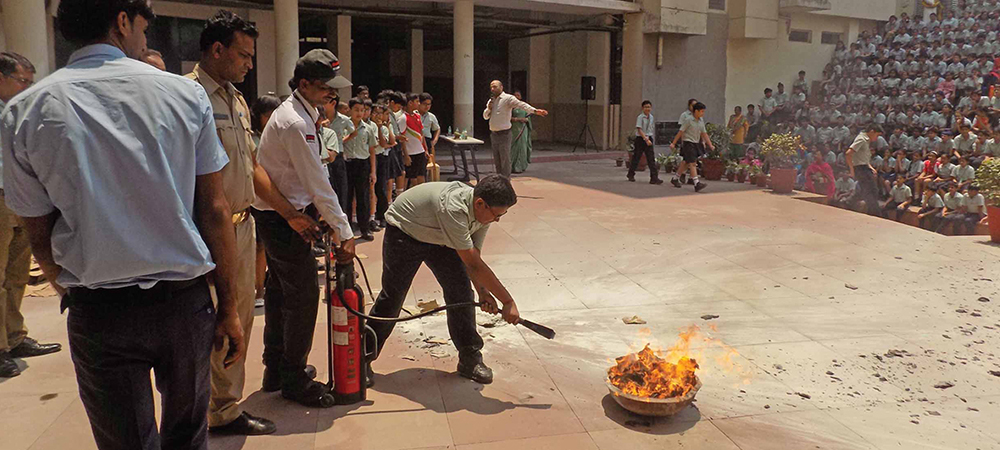
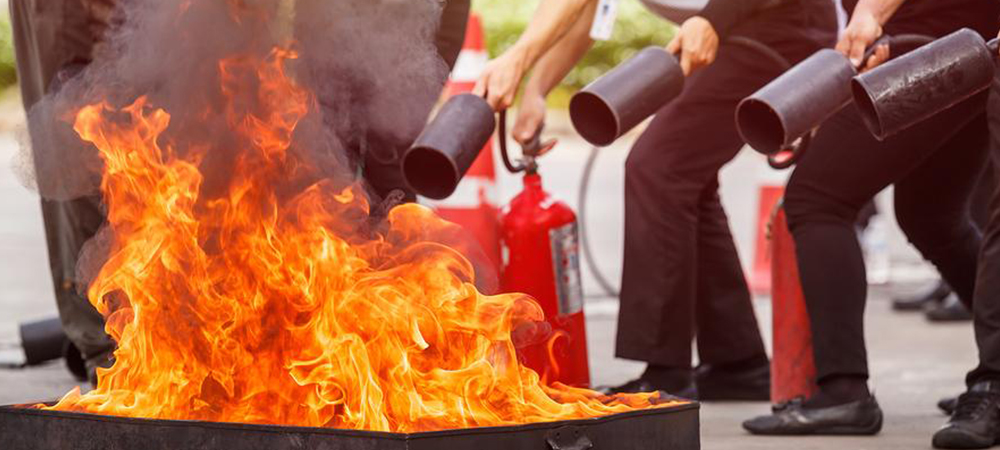
  • Live extinguisher use on real fire trays, not simulation only — muscle memory beats theory under stress
  • Fire warden training built around your actual building layout and evacuation zones, not a generic script
  • Instructors experienced across hospitality, high-rise, industrial and event fire risk profiles
  • Full evacuation drill design and post-drill debrief included on request, not just classroom certification
  • Documentation formatted for Civil Defence and insurer audit, ready to hand over on request

Need expert advice? Speak to our team today

FAQ

Is fire warden training a legal requirement in the UAE?

Civil Defence expects every occupied commercial premises to have a documented evacuation plan and nominated, trained fire wardens as part of its fire and life safety compliance — checked during routine inspections and NOC renewal. It functions as a practical requirement even where it isn’t cited as a single standalone statute.

It scales with floor area, occupancy and layout complexity rather than a flat headcount rule — a rule of thumb is at least one warden per floor or zone, with a backup for each in case of absence. We size this against your actual building during the course booking.

Hassantuk is Dubai’s mandatory smart fire alarm monitoring system, connecting building alarms directly to Civil Defence. It speeds up the emergency response — it does not evacuate anyone. Trained wardens are still what gets people out safely before that response arrives.

Annually is the standard we recommend and what most insurers expect to see, alongside annual extinguisher service tags. Fire warden competency, like resuscitation skills, degrades quickly without practice — a certificate from three years ago with no drills in between is a paper exercise.

All classes relevant to your site — water, foam, CO2, dry powder and wet chemical — including which class to use for which fire type and, just as importantly, which combinations are actively dangerous, such as water on an electrical or chemical fire.

Yes, frequently. Many clients nominate the same staff as fire wardens and first aiders, and scheduling both courses on one site visit reduces total downtime versus booking them separately.

At the awareness level we cover why hot work needs its own permit and fire watch; full hot work permit administration is covered in depth in our Permit to Work System course, which we recommend alongside this one for sites doing welding, cutting or grinding work.

Yes, and it’s a meaningfully different scenario from a fixed building — temporary layouts, unfamiliar crowds, and evacuation routes that change event to event. We tailor the warden training to the specific event footprint rather than reusing a generic building template.

Participants learn to systematically walk a building identifying ignition sources, fuel loads, means of escape adequacy and detection coverage, then document findings in a format Civil Defence and insurers recognise — this is aimed at HSE officers and facilities managers, not general staff.

Yes, we deliver fire safety and fire warden training onsite across Dubai, Abu Dhabi, Sharjah, Ajman, Ras Al Khaimah, Fujairah and Umm Al Quwain, scheduled to work against your actual building and evacuation routes rather than a classroom setting.

Yes — Dubai Civil Defence and the Abu Dhabi Civil Defence Authority each administer the same national UAE Fire and Life Safety Code of Practice but run their own local inspection and NOC processes, and the other emirates have their own Civil Defence directorates. We align warden training to whichever authority governs your specific site.

Increasingly, yes — many UAE insurers now factor documented warden training and drill history into commercial property terms. We provide the attendance and drill records insurers typically ask to see.

In the UAE the two terms are generally used interchangeably for the same nominated role — someone trained to sweep a zone, direct evacuation and liaise with Civil Defence. Some sites use ‘marshal’ for outdoor or event contexts and ‘warden’ for building-based roles, but the underlying training and responsibilities are the same.

Fire Warden & Fire Safety Training UAE | Evacuation, Extinguishers, Hassantuk Compliance

The first ninety seconds of a fire decide most of what happens after. Not the sprinkler system, not the Civil Defence response time — whether the person nearest the fire recognises it early, knows which extinguisher to reach for and which to avoid, and gets the evacuation moving before smoke reaches the stairwell. Buildings pass their fire inspection on the strength of the systems. They survive an actual fire on the strength of the people.

Nathan Safety Training (NIMS) trains fire wardens, first responders and general staff across the UAE to UAE Fire and Life Safety Code of Practice standards, working from real evacuation drills rather than a slideshow on extinguisher classes.

The Regulatory Backbone: UAE Fire and Life Safety Code of Practice

Fire and life safety across the UAE is governed by the UAE Fire and Life Safety Code of Practice, issued by UAE Civil Defence and administered at emirate level — Dubai Civil Defence (DCD) in Dubai, the Abu Dhabi Civil Defence Authority in Abu Dhabi. The code sits alongside, not inside, the local building codes, and it’s the instrument checked on essentially every commercial premises inspection regardless of emirate. As of 2026, Hassantuk smart fire monitoring is mandatory for commercial premises in Dubai, meaning fire alarm activations report directly to Civil Defence rather than depending on someone on site placing a call.

None of that technology reduces the human requirement. A DCD-approved fire alarm system tells you a fire has started. It does not evacuate the building, brief a nervous guest, or know which fire door has been propped open with a fire extinguisher for the last six months.

Insurers covering UAE commercial property increasingly ask for evidence of trained fire wardens and a documented drill history as part of underwriting, not just a valid Civil Defence NOC. A building that passes inspection but has never run a genuine drill is a harder case to make at renewal than one with an actual practice record behind it.

The Regulatory Backbone: UAE Fire and Life Safety Code of Practice

Fire and life safety across the UAE is governed by the UAE Fire and Life Safety Code of Practice, issued by UAE Civil Defence and administered at emirate level — Dubai Civil Defence (DCD) in Dubai, the Abu Dhabi Civil Defence Authority in Abu Dhabi. The code sits alongside, not inside, the local building codes, and it’s the instrument checked on essentially every commercial premises inspection regardless of emirate. As of 2026, Hassantuk smart fire monitoring is mandatory for commercial premises in Dubai, meaning fire alarm activations report directly to Civil Defence rather than depending on someone on site placing a call.

None of that technology reduces the human requirement. A DCD-approved fire alarm system tells you a fire has started. It does not evacuate the building, brief a nervous guest, or know which fire door has been propped open with a fire extinguisher for the last six months.

Insurers covering UAE commercial property increasingly ask for evidence of trained fire wardens and a documented drill history as part of underwriting, not just a valid Civil Defence NOC. A building that passes inspection but has never run a genuine drill is a harder case to make at renewal than one with an actual practice record behind it.

What Survives a Fire Is Rarely What You'd Guess

The building usually survives a fire better than the business does. Smoke and water damage, weeks of downtime, a spike in insurance premiums at the next renewal, and a workforce that remembers exactly how prepared — or unprepared — the response actually was: these outlast the physical repair by a long way.

That’s the case for taking fire warden training seriously rather than treating it as an annual box to tick. A genuinely drilled team turns a fire from a catastrophic event into a contained, survivable one — and that difference is decided entirely before the fire ever starts.

Who Needs Fire Safety Training

Every occupied commercial premises needs a baseline of trained fire wardens under Civil Defence expectations. The training depth varies by risk:

  • Hotels and resorts — 24-hour occupancy, guests unfamiliar with the building, multiple escape routes to manage
  • Malls, retail and mixed-use towers — high footfall, complex evacuation zoning across floors
  • Events and exhibition venues — temporary structures, large transient crowds, no fixed occupant familiarity
  • Theme parks and waterparks — outdoor and enclosed attraction mix, non-standard evacuation routes
  • Industrial and oil & gas sites — flammable material storage, hot work exposure, process fire risk
  • Warehousing and logistics — high fuel-load storage, limited staffing density to spot early signs

Civil Defence Requirements Change by Emirate — Here's How

Civil Defence enforcement sits with a different authority in each emirate, and building stock varies just as much. We deliver onsite across all seven:

  • Dubai — Dubai Civil Defence enforcement, Hassantuk-mandatory monitoring, and the highest concentration of high-rise towers in the country make warden training here the most evacuation-zoning-heavy version of the course
  • Abu Dhabi — the Abu Dhabi Civil Defence Authority governs enforcement, and Yas Island’s cluster of large attractions adds a crowd-evacuation dimension beyond a standard office or hotel warden brief
  • Sharjah — the dense SME manufacturing base across the Industrial Areas carries a higher fuel-load warehousing risk than most retail or office buildings, which changes what the warden actually needs to check
  • Ajman — a fast-growing stock of mid-rise residential and commercial towers means many buildings are newly occupied with wardens who have never run a real drill
  • Ras Al Khaimah — growing hospitality and resort development along the coast is bringing hotel-style, 24-hour-occupancy fire risk to an emirate that historically trained mostly for industrial and residential buildings
  • Fujairah — the Fujairah Oil Industry Zone’s flammable material storage makes this the highest-stakes fire risk profile of any emirate outside a refinery, and hot work permit discipline matters more here than anywhere else
  • Umm Al Quwain — a smaller building stock, but UAQ’s Civil Defence directorate still expects the same documented evacuation plan and trained warden coverage as any other emirate

Course Levels at a Glance

Course

Duration

Covers

Best Suited To

Fire Safety Awareness

Half day

Fire behaviour, evacuation, extinguisher basics

General staff, all sectors

Fire Warden / Marshal

1 day

Zone sweeps, headcounts, liaison with Civil Defence, drill leadership

Nominated floor/zone wardens

Fire Extinguisher & First Response

1 day

Hands-on live extinguisher use, fire classes, hot work risk

Maintenance, kitchen, industrial staff

Fire Risk Assessment

2 days

Hazard identification, means of escape review, documentation

HSE officers, facilities managers

What Inspection Day Actually Reveals

Most of what we find during pre-audit walk-throughs isn’t a systems failure — it’s a behaviour failure around systems that work fine.

  • Fire wardens nominated on paper who have never actually run or attended a drill
  • Escape routes and fire doors blocked by stock, furniture or a ‘temporary’ delivery pallet
  • Extinguishers past their annual inspection tag, or the wrong class mounted for the hazard present
  • Staff who know an alarm means evacuate, but not where their assembly point actually is
  • Hot work carried out near flammable storage with no permit and no fire watch posted


What Inspection Day Actually Reveals

Because Nathan Safety Training sits alongside Nathan ISO Consulting in the same group, a client preparing for a Civil Defence NOC renewal can get fire risk documentation support and warden training handled by people already talking to each other, rather than two vendors working from different assumptions.

  • Live extinguisher use on real fire trays, not simulation only — muscle memory beats theory under stress
  • Fire warden training built around your actual building layout and evacuation zones, not a generic script
  • Instructors experienced across hospitality, high-rise, industrial and event fire risk profiles
  • Full evacuation drill design and post-drill debrief included on request, not just classroom certification
  • Documentation formatted for Civil Defence and insurer audit, ready to hand over on request

FAQ

Is fire warden training a legal requirement in the UAE?

Civil Defence expects every occupied commercial premises to have a documented evacuation plan and nominated, trained fire wardens as part of its fire and life safety compliance — checked during routine inspections and NOC renewal. It functions as a practical requirement even where it isn’t cited as a single standalone statute.

It scales with floor area, occupancy and layout complexity rather than a flat headcount rule — a rule of thumb is at least one warden per floor or zone, with a backup for each in case of absence. We size this against your actual building during the course booking.

Hassantuk is Dubai’s mandatory smart fire alarm monitoring system, connecting building alarms directly to Civil Defence. It speeds up the emergency response — it does not evacuate anyone. Trained wardens are still what gets people out safely before that response arrives.

Annually is the standard we recommend and what most insurers expect to see, alongside annual extinguisher service tags. Fire warden competency, like resuscitation skills, degrades quickly without practice — a certificate from three years ago with no drills in between is a paper exercise.

All classes relevant to your site — water, foam, CO2, dry powder and wet chemical — including which class to use for which fire type and, just as importantly, which combinations are actively dangerous, such as water on an electrical or chemical fire.

Yes, frequently. Many clients nominate the same staff as fire wardens and first aiders, and scheduling both courses on one site visit reduces total downtime versus booking them separately.

At the awareness level we cover why hot work needs its own permit and fire watch; full hot work permit administration is covered in depth in our Permit to Work System course, which we recommend alongside this one for sites doing welding, cutting or grinding work.

Yes, and it’s a meaningfully different scenario from a fixed building — temporary layouts, unfamiliar crowds, and evacuation routes that change event to event. We tailor the warden training to the specific event footprint rather than reusing a generic building template.

Participants learn to systematically walk a building identifying ignition sources, fuel loads, means of escape adequacy and detection coverage, then document findings in a format Civil Defence and insurers recognise — this is aimed at HSE officers and facilities managers, not general staff.

Yes, we deliver fire safety and fire warden training onsite across Dubai, Abu Dhabi, Sharjah, Ajman, Ras Al Khaimah, Fujairah and Umm Al Quwain, scheduled to work against your actual building and evacuation routes rather than a classroom setting.

Yes — Dubai Civil Defence and the Abu Dhabi Civil Defence Authority each administer the same national UAE Fire and Life Safety Code of Practice but run their own local inspection and NOC processes, and the other emirates have their own Civil Defence directorates. We align warden training to whichever authority governs your specific site.

Increasingly, yes — many UAE insurers now factor documented warden training and drill history into commercial property terms. We provide the attendance and drill records insurers typically ask to see.

In the UAE the two terms are generally used interchangeably for the same nominated role — someone trained to sweep a zone, direct evacuation and liaise with Civil Defence. Some sites use ‘marshal’ for outdoor or event contexts and ‘warden’ for building-based roles, but the underlying training and responsibilities are the same.

Get Your Wardens Ready

Whether you need fire warden certification, hands-on extinguisher training, or a full fire risk assessment, tell us your building type and occupancy, and we’ll recommend the right mix of awareness, warden and extinguisher-level training for your team.

Nathan Safety Training (NIMS) — Fire safety and fire warden training across Dubai, Abu Dhabi, Sharjah, Ajman, Ras Al Khaimah, Fujairah and Umm Al Quwain, aligned to Civil Defence requirements.

Hi, how can we assist you today?
Scroll to Top