
Hot Work Safety Training
Home / Hot Work Safety Training
- First Aid Course - CPR and AED
- Confined Space
- Fire Safety Awareness
- Scaffolding Inspection
- Scaffolding Erection & Dismantling
- Flagman Safety
- Chemical Safety and Handling Training
- Hazard and Risk Assessment
- Rigging and Slinging Training
- Traffic Safety
- Hand and Power Tools Operator
- Electrical Safety
- Lock Out and Tag Out (LOTO)
- Accident Incident Investigation
- Lifeguard Training
- Advanced Risk Assessment & Compliance Service
- Behavior-Based Safety Workplace Safety Consulting
- Construction Site Safety Induction Training
- Emergency Response Team Training
- Excavator Operator Training
- Forklift Operator Training
- H2S Awareness & Breathing Apparatus Training
- Hot Work Safety Training
- Incident Reporting & Root Cause Analysis Service
- MEWP Operator Training
- Mobile Crane Operator Training
- Permit to Work System Training
- Rope Access Training
- Working at Height & Fall Protection Safety Training
Hot Work Safety Training in UAE
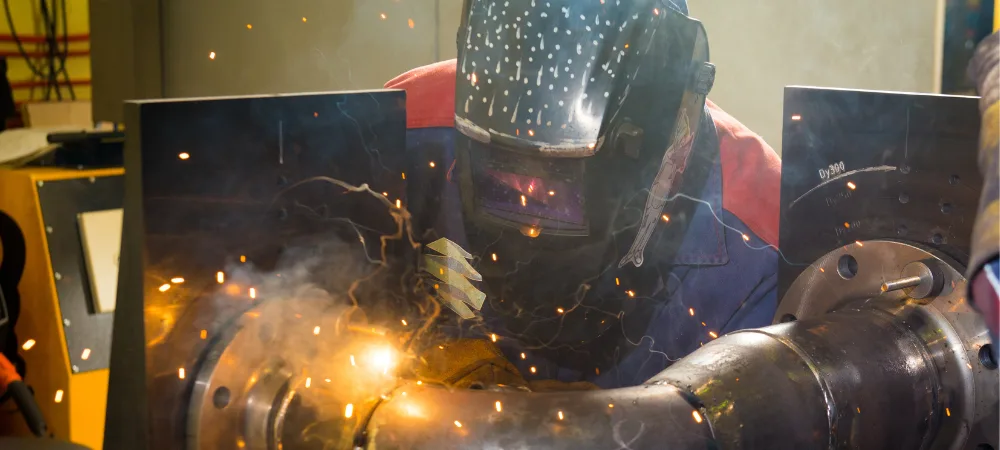
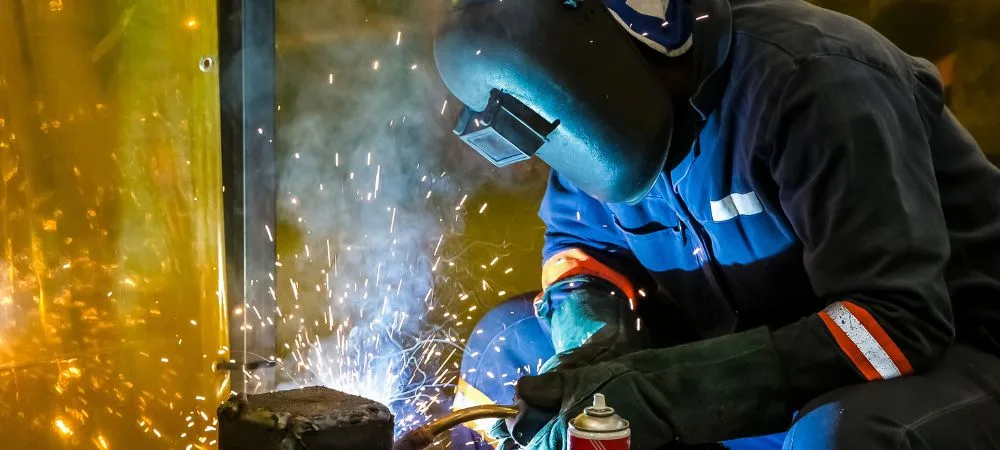
Hot work is any job that can create a spark, flame, or heat strong enough to start a fire. Sounds obvious, right? But on a real site, hot work accidents rarely happen because people “wanted” a fire. They happen because someone underestimated how easily a normal workplace can turn into a fuel source—vapours, dust, paint, foam, oily rags, stored chemicals, LPG cylinders, even cardboard boxes and timber offcuts. Hot Work Safety training is what teaches teams to spot those hidden dangers before the first spark flies.
What counts as hot work
Hot work is more than welding. It includes welding, gas cutting, grinding, brazing, soldering, torch-on waterproofing, bitumen work, heating with blow torches, thermal cutting, and any maintenance task that produces sparks or high heat. Even a quick “two-minute grinding job” can be enough to ignite flammable vapours or set debris smouldering quietly—then the fire shows up later when nobody is watching.
Why hot work safety is a big deal in the UAE
UAE sites often run multiple activities at the same time: fit-out work inside towers, maintenance in live facilities, shutdown work in industrial plants, and operations in ports and logistics yards. Hot work in these environments needs tight control because the surrounding area can change quickly. Add the UAE heat, stored materials, and busy contractors, and you get the perfect conditions for a small mistake to become a serious incident. That is why hot work is usually controlled through a Hot Work Permit under the Permit to Work (PTW) system, supported by risk assessment and method statements (RAMS).
How hot work training makes people safer (the real-world way)
Instead of treating hot work like a checklist, good training teaches people to think in a simple sequence: “Is it necessary? Is the area safe? Are controls active? Who is watching? What is the emergency plan?”
The core controls covered in hot work safety
• Understanding fire triangle basics (heat, fuel, oxygen) and how hot work feeds it
• Pre-job risk assessment and method statement awareness (RAMS)
• Hot Work Permit (PTW) process: who issues, who receives, validity, and close-out
• Area preparation: remove combustibles, cover and protect surfaces, control openings and gaps
• Gas testing where needed, especially near tanks, pits, ducts, and confined areas
• Fire prevention controls: fire blankets, spark containment, screens, and safe equipment setup
• Correct fire extinguisher selection and basic firefighting readiness (only if trained and safe to do so)
• Fire watch requirements: what a fire watch does, where they stand, and how they monitor
• Post-hot work monitoring: the “hidden fire” problem and why watch time matters
• Cylinder and hose safety for gas cutting/welding: storage, flashback arrestors, leak checks
• Electrical safety for welding machines: cables, earthing, connections, and avoiding damaged leads
• Emergency response: raising the alarm, evacuation routes, muster point discipline, and isolation steps
Where hot work safety is most needed in the UAE
Hot work is common across Dubai (Jebel Ali, Dubai South, DIP, Al Quoz, Downtown projects), Abu Dhabi (Mussafah, KIZAD, Ruwais), Sharjah (Industrial Areas, Hamriyah Free Zone, SAIF Zone), and also Ajman, Ras Al Khaimah, Fujairah, Umm Al Quwain, and Al Ain—especially where construction, fabrication, maintenance, marine works, and industrial shutdowns are active.
Why choose Nathan Safety Training Services
Nathan Safety Training Services delivers hot work training in a way that sticks. We focus on real behaviours that prevent fires: proper area preparation, permit discipline, correct fire watch mindset, and practical emergency readiness. We also highlight common UAE site realities—tight indoor spaces, fit-out debris, shared work zones, and changing contractor activity—so trainees learn how to stay alert, not just how to “sign the permit.”
Hot work is not dangerous because it is technical. It is dangerous because it feels routine. The goal of training is to make it never feel casual again—only controlled.